

The House Edge: Understanding Casino Profitability
Casinos thrive on a concept known as the house edge, which is the mathematical advantage that the casino has over players in any game. This edge varies from game to game and can range from a small percentage in games like blackjack to a significant margin in slot machines. By carefully crafting the rules and odds, casinos ensure that over time, they make more money than they pay out, ultimately securing their profitability. If you’re curious about the inner workings of this system, you can find out more here.

Understanding the house edge is crucial for players, as it reveals how likely they are to win or lose in the long run. For instance, a game with a 5% house edge means that for every $100 wagered, the casino expects to keep $5 on average. This statistical advantage is what allows casinos to thrive while providing entertainment to their patrons.
Game Design and Psychological Tactics
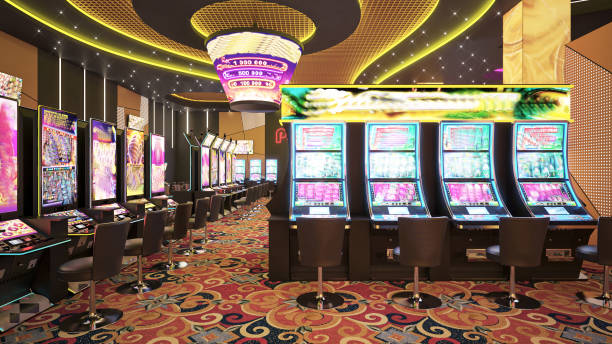
Many games in casinos are designed not only for fun but also to maximize profitability through psychological tactics. The arrangement of games, the sound of spinning reels, and the visual appeal of bright lights are all strategically implemented to create an enticing atmosphere that encourages players to gamble more. This sensory overload can lead to increased playtime and larger bets, contributing to the casino’s bottom line.
Additionally, the concept of “near misses” in slot machines has been shown to stimulate continued play. When players perceive that they are close to winning, they are often compelled to keep playing in hopes of hitting the jackpot. Such tactics exploit human psychology, driving financial loss while ensuring the casino remains profitable.
The Role of Odds in Casino Games
Odds in casino games are meticulously calculated, often favoring the house. For example, in roulette, players can choose to bet on various outcomes, but the presence of a ‘0’ or ’00’ increases the house edge significantly. This means that, despite players’ strategies, the odds are always slightly skewed in favor of the casino, making winning less likely in the long run.
In table games like poker, the dynamics change slightly as players compete against each other, rather than the house. However, casinos still profit through the rake, a small percentage taken from players’ bets. Ultimately, the control of odds across multiple games allows casinos to ensure steady income, regardless of how individual players perform.
Loyalty Programs and Reward Systems
To maintain player engagement and encourage repeated visits, casinos often implement loyalty programs and reward systems. These programs provide players with perks such as free meals, accommodations, and cashback on losses. While these rewards may seem generous, they are carefully calculated to ensure that the casino continues to profit overall.
By incentivizing players to return, casinos can effectively increase their revenues. The allure of potential rewards can lead players to spend more time and money in the establishment, often outweighing the benefits of the rewards themselves. Thus, loyalty programs serve as a tool for maximizing profits while creating an illusion of value for the players.
Access Limitations and User Experience on Casino Websites
Just as physical casinos manage their gaming floors, online casinos also implement access limitations to enhance user experience. Websites may restrict certain pages or features to ensure that users follow guidelines and adhere to legal requirements. A common occurrence is encountering a “403 – Forbidden” error, which informs users that they cannot access specific content due to permission issues.
This approach not only protects the integrity of the platform but also encourages users to seek the correct permissions or comply with age restrictions. By clearly communicating these limitations, online casinos aim to provide a smoother user experience, helping players understand their options while maintaining security and compliance.